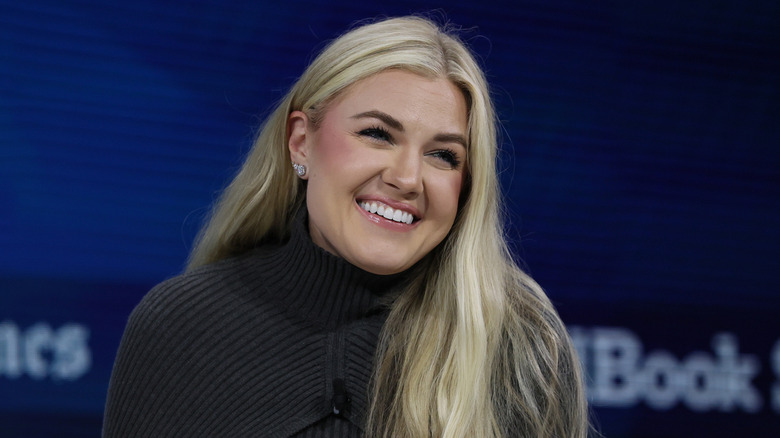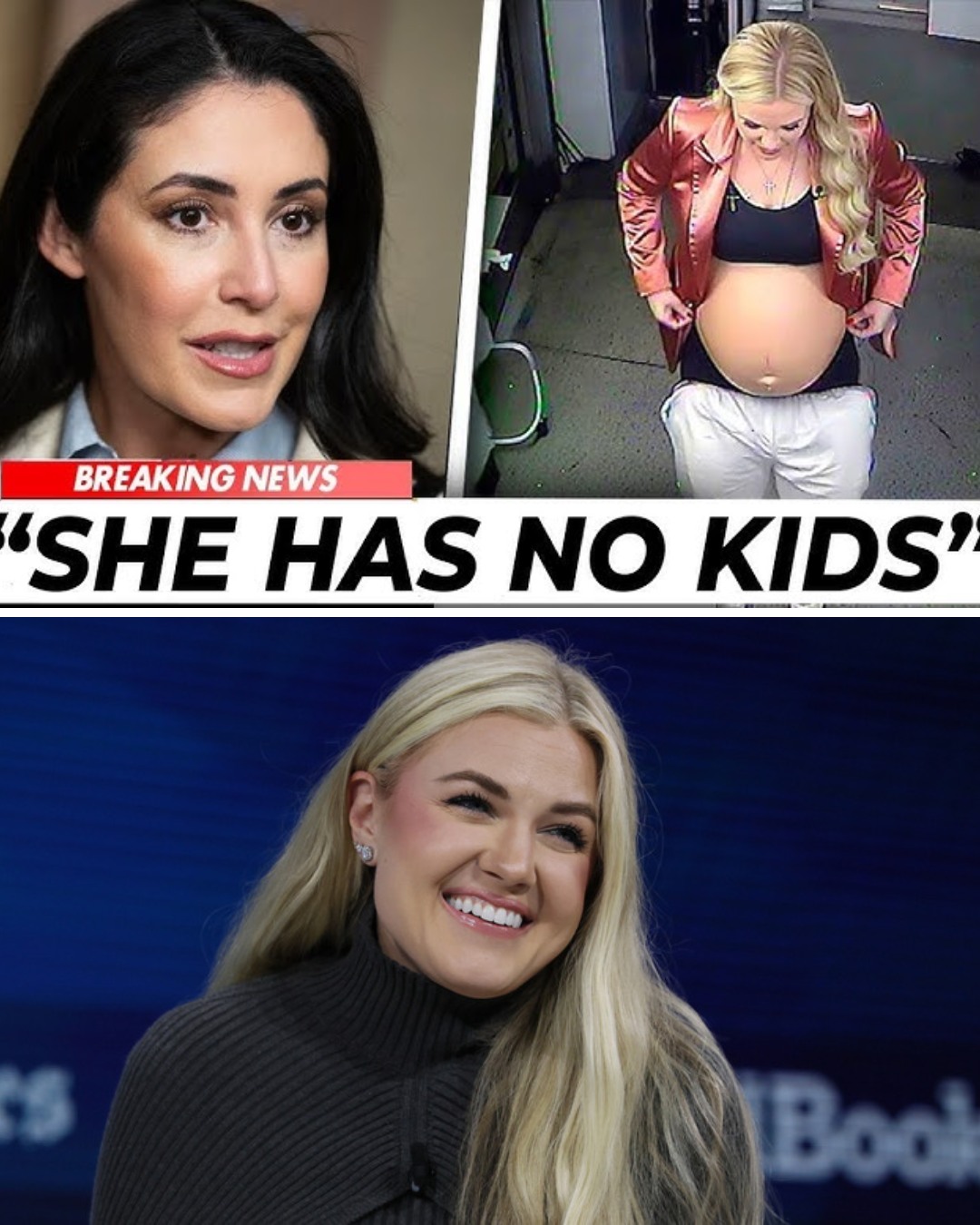
The conservative world is still reeling from Charlie Kirk’s assassination in September 2025, a senseless act that left his young widow, Erika Kirk, to lead Turning Point USA while raising their two small children through unimaginable grief. In the months since, Erika has shared glimpses of her life—reflections on motherhood, faith, and carrying on her husband’s mission—often with measured privacy around family moments. But in early 2026, a single comment from Rep. Anna Paulina Luna on the PBD Podcast turned that quiet resilience into a firestorm of speculation that has refused to fade.
Luna, defending Erika against conspiracy theories tying her to Charlie’s death, said she had recently seen her at the White House and emphasized the devastation: Erika “lost her husband… she lost her kids.” The phrase landed like a bomb. Online communities seized it as confirmation that Erika no longer had custody—explaining why her children rarely appear in public with her, why she’s camera-ready for interviews and events, and why grandparents or others might be primary caregivers. The theory spread rapidly: perhaps family took over amid scrutiny, or personal struggles surfaced post-tragedy.

Luna quickly clarified it was a misspeak—she meant the children lost their father—and fact-checks from multiple sources confirmed no custody battle exists. Erika continues parenting her daughter (born around 2022) and son (May 2024), keeping their lives protected from the spotlight. Yet the damage was done. The comment became a gateway to far darker accusations: that Erika never carried those pregnancies at all.
Skeptics pored over every public scrap. Photos of the kids allegedly show ages that don’t align— a boy appearing preschool-sized when he should be barely a toddler by late 2025. Ultrasounds shared in old clips reportedly list “Erika Frantzve” (her maiden name) rather than her married name, raising questions about authenticity or timing. Erika’s comments about two C-sections—casual remarks like wondering how many more times Charlie would “see her organs”—struck some as scripted or inconsistent when she later spoke of always wanting four children and praying for another around Charlie’s death. Privacy excuses for hidden pregnancies clashed with shared pregnancy tests and newborn images, creating perceived contradictions.
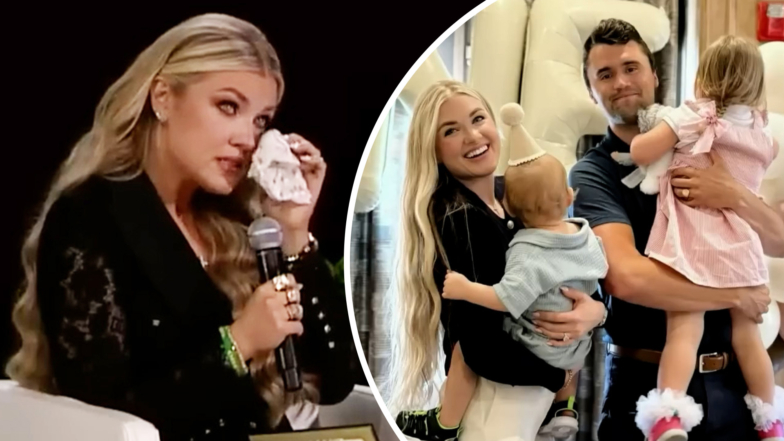
Theories escalated: the children were borrowed for photos, pregnancies staged for narrative, perhaps to solidify her role in Charlie’s world or TPUSA’s image. The most unsettling leap—did Charlie know? Was he deceived into believing he fathered them, or did realization come too late, complicating his final months?
These claims thrive in viral videos and comment threads, where every detail gets dissected. But they lack foundation. Erika has described her pregnancies as sacred and private, not hidden from shame but from overwhelming attention. Medical timelines match announcements, and family references (limited as they are) remain consistent. Ultrasound name variations could stem from pre-marriage records or simple errors—hardly proof of fraud. No credible evidence—medical records, whistleblowers, or legal filings—supports faking births. Fact-checks label the rumors unfounded, often amplified by grief-fueled suspicion and post-assassination conspiracies.

Luna and Erika move in overlapping conservative spaces—Luna has publicly supported her—but no signs point to orchestration or cover-ups. Luna’s own past gets dragged in (resurfaced old allegations), yet it distracts from the core: a widow facing brutal scrutiny. Every absence of kids in photos becomes “proof” of loss; every shared moment dissected for lies.
This saga reveals the cruel side of public mourning in polarized times. Grief isn’t linear—some process privately, others through work or faith. Erika’s choice to lead TPUSA while parenting draws admiration from supporters and suspicion from critics who see inconsistencies as deception. The emotional weight is profound: losing a partner violently, then defending your motherhood against accusations that question its very reality.
In the end, the facts hold steady: two children born to Erika and Charlie, a family navigating loss with privacy and purpose. Rumors may rage online, but they don’t rewrite lived truth. Erika carries forward—mother, leader, survivor—amid noise that tests resilience. Her story reminds us that behind viral firestorms are real people, real pain, and the quiet strength to keep going when the world won’t let the questions rest.