
Jennifer Araoz was only fourteen when a single conversation redirected her life, transforming teenage ambition into trauma, and exposing how easily innocence can be exploited by wealth, power, and silence.
She had dreams like countless other girls her age, believing talent and opportunity could open doors, never imagining that one of those doors concealed a nightmare carefully protected by influence.
The promise sounded harmless, even flattering, delivered with smiles and reassurance that masked a system designed to lure, control, and discard vulnerable young people without consequence.
What awaited her inside Jeffrey Epstein’s New York townhouse was not opportunity, but an environment where power erased accountability and fear replaced childhood trust.
For years, Jennifer carried the weight of what happened alone, burdened by shame that never belonged to her, in a culture that too often questions victims before questioning perpetrators.
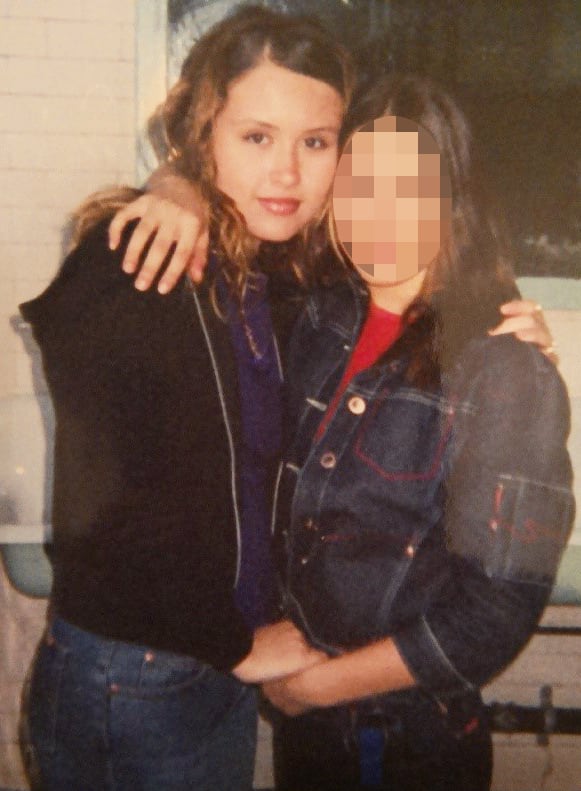
She was a teenager navigating a world that told her success required obedience, silence, and gratitude, even when boundaries were crossed and dignity was stripped away.
Epstein, a billionaire surrounded by political figures, celebrities, and financiers, operated with near-total impunity, shielded by money and connections that discouraged scrutiny.
The imbalance was staggering: a child with dreams on one side, and a man with vast resources and influence on the other, insulated from consequences for decades.
Stories like Jennifer’s challenge the comforting belief that wealth equals legitimacy, revealing instead how privilege can become a weapon when accountability is absent.
For years, whispers circulated, settlements were sealed, and warnings were ignored, allowing abuse to persist behind closed doors adorned with luxury and respectability.
Jennifer did not immediately speak out, not because she lacked courage, but because the cost of truth in such cases is often isolation, disbelief, and retaliation.
Silence became a survival mechanism, reinforced by a society that frequently protects reputations over people, especially when the accused holds power.
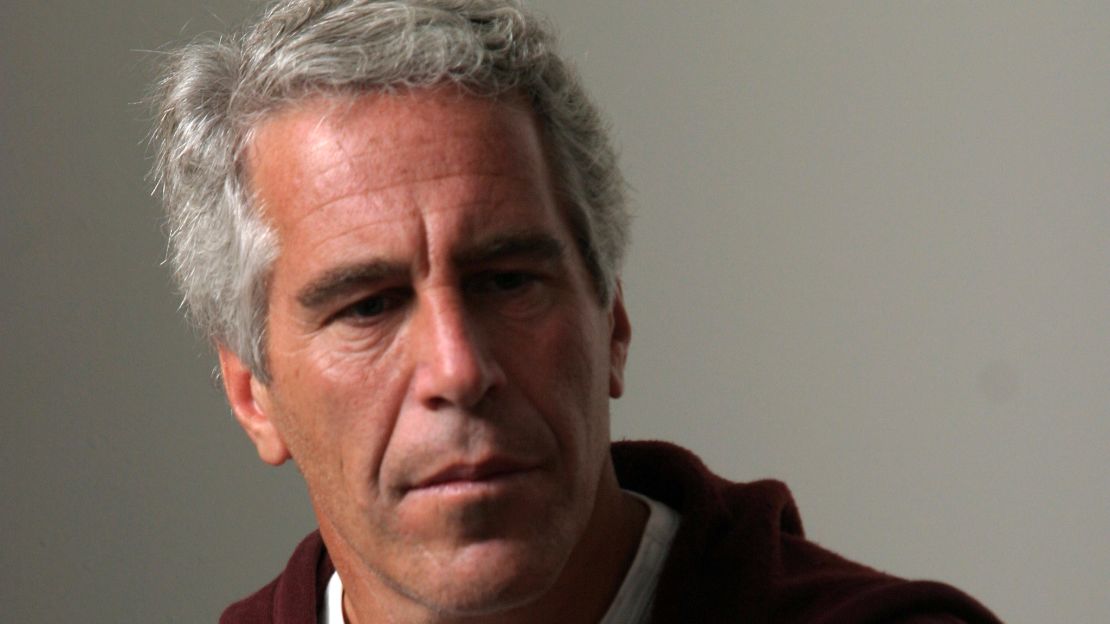
Then came 2019, the year Epstein’s arrest sent shockwaves across the world and shattered the illusion that his influence made him untouchable.
That moment marked a turning point, not only for Jennifer, but for countless survivors who had been watching, waiting, and wondering whether justice was ever possible.
Jennifer stepped forward and filed a lawsuit, choosing visibility over silence, knowing that speaking publicly would invite scrutiny, doubt, and painful reminders of her past.
Her decision transformed private suffering into a public reckoning, forcing institutions, media, and society to confront long-ignored failures.
The lawsuit was not merely a legal action, but a declaration that truth could no longer be buried beneath settlements and strategic silence.
Public reaction was immediate and polarized, with some expressing outrage and solidarity, while others questioned timing, motives, and credibility.
Such reactions exposed a deeper cultural problem: the persistent instinct to protect power by discrediting those who challenge it.
Jennifer’s story resonated because it reflected a broader pattern, one in which young girls are targeted precisely because their voices are easiest to dismiss.
Her courage reframed the narrative, shifting focus away from Epstein’s mystique and toward the systemic conditions that enabled his crimes.

Media coverage intensified, courtrooms became battlegrounds of truth and denial, and the world was forced to listen, even when listening felt uncomfortable.
The case ignited global conversations about consent, accountability, and the mechanisms that allow abuse to flourish unchecked.
Hashtags like #EpsteinFiles and references to other survivors amplified awareness, transforming isolated testimonies into a collective demand for answers.
Yet even as attention grew, so did frustration over unanswered questions, sealed documents, and powerful names remaining protected.
Jennifer’s voice cut through the noise, not as an accusation alone, but as a reminder of the human cost behind every delayed investigation.
Her experience underscored how trauma does not end with survival, but lingers through years of silence, fear, and self-doubt.
Supporters argue that her testimony represents a crucial step toward dismantling systems that prioritize image over integrity.
Critics, however, caution against public trials in media spaces, fearing misinformation, reputational damage, and emotional exploitation.
This tension fuels ongoing debate about how justice should be pursued when traditional institutions have repeatedly failed victims.
Jennifer’s case challenges society to consider whether legal outcomes alone are sufficient, or whether cultural change is equally necessary.
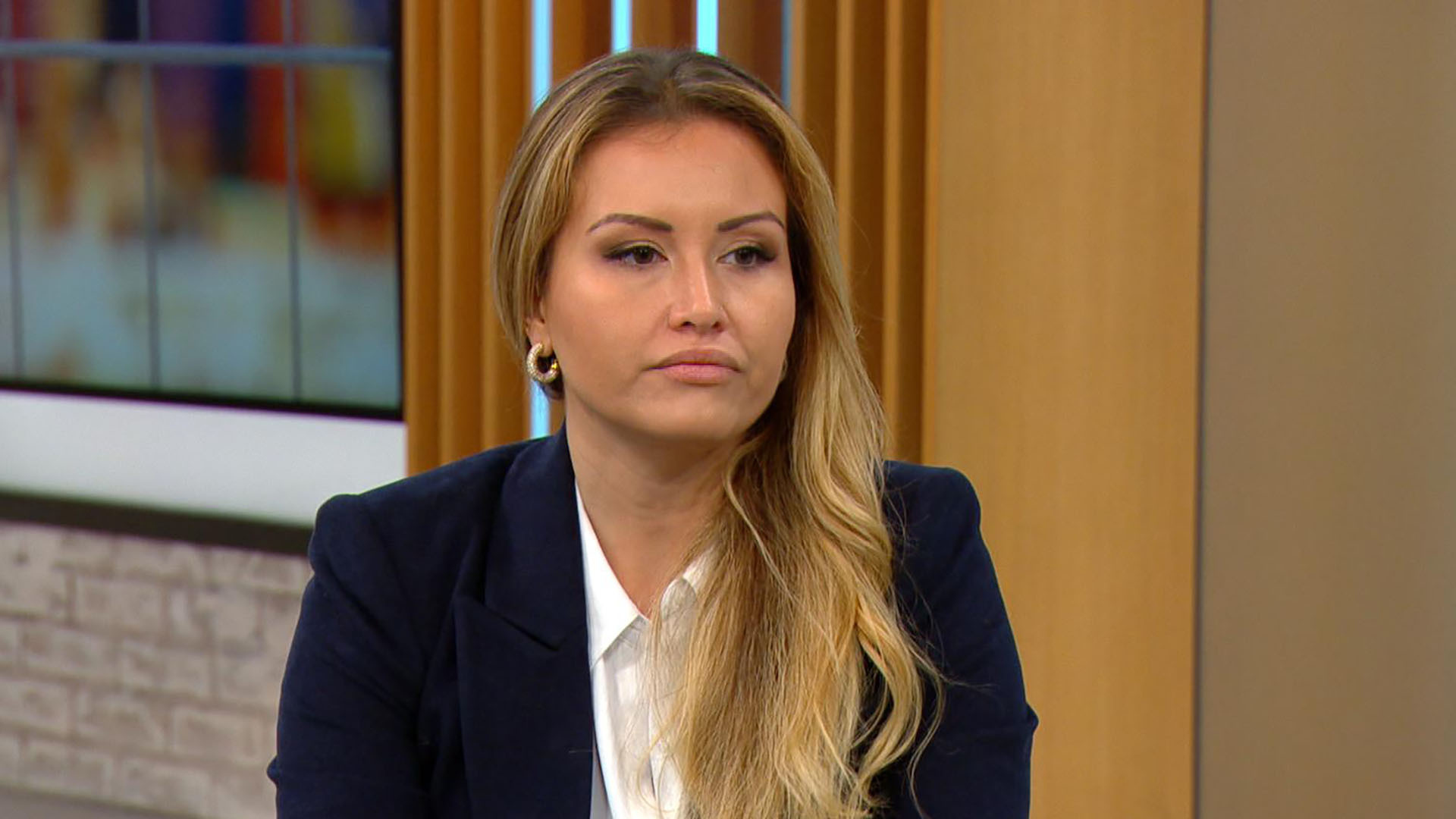
The power dynamics exposed by Epstein’s network reveal uncomfortable truths about complicity, negligence, and willful ignorance.
They also force a reckoning with how fame and fortune can distort moral judgment, allowing predators to hide in plain sight.
For survivors, Jennifer’s decision to speak out offered validation, proving that silence is not the only path to survival.
Her actions encouraged others to reconsider their own stories, reopening conversations long suppressed by fear and stigma.
The ripple effects continue, influencing legislation, institutional policies, and public awareness around exploitation and trafficking.
Yet progress remains uneven, slowed by legal barriers, political pressure, and the enduring reluctance to confront uncomfortable truths.
Jennifer’s story persists not because it is sensational, but because it demands reflection on who society chooses to believe.
It asks whether justice can truly exist in systems designed to protect the powerful from accountability.
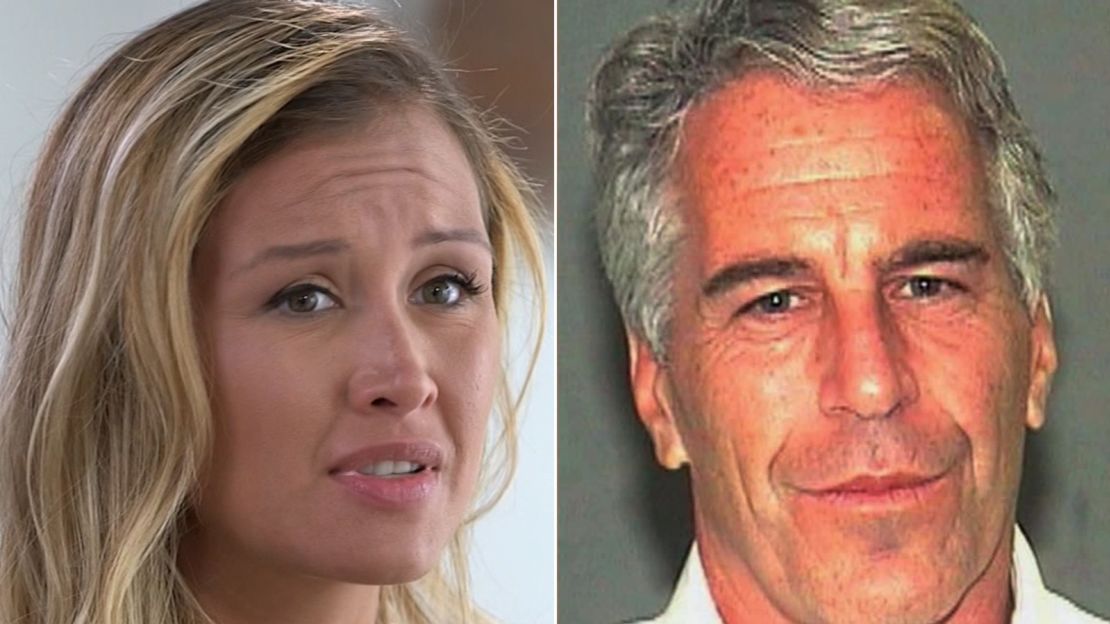
The question now facing the public is not only how Epstein was allowed to operate, but how many warnings were ignored along the way.
How many opportunities for intervention were dismissed as inconvenient or threatening to influential interests.
Jennifer Araoz’s courage transformed personal trauma into collective responsibility, refusing to allow her experience to be erased or minimized.
Her voice stands as a challenge to institutions, media, and individuals alike: silence is a choice, and so is accountability.
As the world continues to grapple with the fallout, one truth remains undeniable.
Behind every headline and hashtag lies a human story waiting to be acknowledged, believed, and acted upon.
And the most pressing question remains unresolved, echoing far beyond this single case.
How many more stories like hers are still waiting for the world to listen?
Inside Ruby Franke’s Prison Life — A Punishment She Never Imagined – bichnhu

The fluorescent lights of a Utah prison cell now define the world for Ruby Franke, the disgraced family vlogger whose descent from internet fame to a maximum-security inmate marks one of the most shocking falls from grace in recent memory.
Her new reality, a punishing existence of isolation and perpetual threat, began the moment a judge imposed the harshest sentence possible for the brutal abuse of her own children.
 On February 20, 2024, Judge John Walton delivered consecutive prison terms of one to 15 years each for aggravated child abuse.
The sentencing capped a case that horrified the nation, sparked by her 12-year-old son’s desperate escape through a window while bound, his body so emaciated it prompted an immediate neighbor’s call to 911.
Her business partner, Jodi Hildebrandt, received an identical fate.
Franke was transported to the Utah State Correctional Facility, a sprawling complex housing 3,600 inmates.
Officials placed her in the Dell unit, the prison’s sole female housing section, knowing her notoriety as a national headline would make her a target.
In the rigid social order of incarceration, those convicted of crimes against children occupy the lowest tier.
Her daily life is a study in institutional control and psychological strain.

She wakes before dawn to harsh electronic buzzers, her day segmented by mandatory counts where she stands as a number, not a name.
For hours, she is confined to limited common areas under constant surveillance, her movement and interactions severely restricted.

:max_bytes(150000):strip_icc():focal(745x266:747x268)/ruby-franke-jodi-hildebrandt-court-021624-dfc0b0b17ebb4835bc6db71ce01a60f6.jpg)